

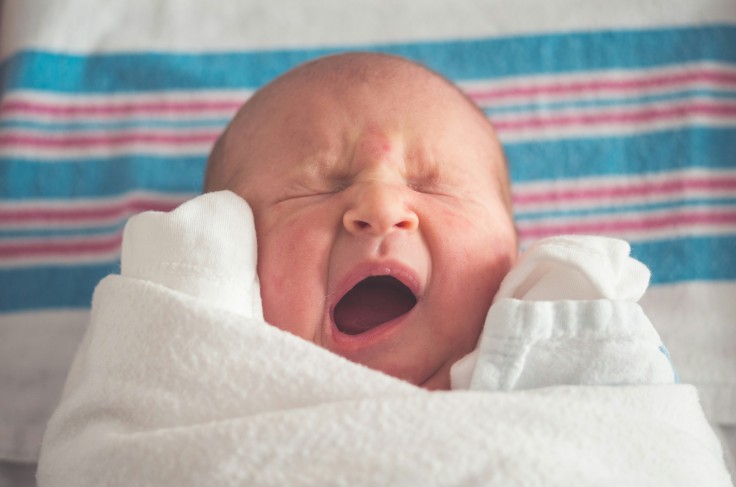
Baby fever symptoms often worry parents because temperature changes can signal both minor infections and serious conditions. An infant fever usually reflects the immune system responding to viruses or bacteria, but age and symptoms matter more than the number alone. Newborn temperature changes are especially critical, as young immune systems cannot localize infections well.
Understanding what's normal helps parents act calmly and quickly. Some fevers can be managed at home with comfort care, fluids, and monitoring. Others require immediate medical evaluation to prevent complications. Knowing the difference protects your baby's health while avoiding unnecessary panic.
What Is a Fever in Children and When Is It Dangerous?
A fever is a temporary rise in body temperature that happens when a child's immune system is fighting infection. In children, fever is defined as a body temperature of 100.4°F (38°C) or higher, usually measured rectally in infants for accuracy. Fever itself is not an illness but a natural defense response that helps slow down viruses and bacteria. While most fevers are not dangerous, urgency increases in babies under three months, very high temperatures, or when fever is paired with warning signs like lethargy, breathing trouble, or dehydration.
Common causes of fever in children include viral infections such as colds, flu, and roseola, as well as bacterial infections like ear infections, urinary tract infections, or pneumonia. Other conditions that can trigger fever include post-vaccination immune responses, teething-related inflammation (usually mild), heat-related illness, and inflammatory conditions. In rare cases, serious illnesses such as meningitis or sepsis may cause fever, especially in newborns. Understanding the cause and watching symptoms helps determine whether fever is manageable at home or needs medical care.
What Are Normal Baby Fever Symptoms and Home Care?
Baby fever symptoms commonly include warm skin, flushed cheeks, fussiness, and shorter sleep cycles. Many infants also eat less for a day or two while their bodies fight infection. Mild infant fever often comes from viral illnesses like colds, roseola, or post-vaccination immune responses.
Based on guidance from the American Academy of Pediatrics (AAP), most babies over six months can be cared for at home if they remain alert, hydrated, and responsive. A rectal temperature of 100.4°F (38°C) confirms fever, but comfort matters more than the number. If your baby smiles, drinks fluids, and settles when held, home care is usually appropriate.
Home care tips include:
- Dress your baby in light clothing to avoid trapping heat
- Offer breast milk or formula frequently to prevent dehydration
- Use acetaminophen or ibuprofen only at age-appropriate doses
- Avoid cold baths, alcohol rubs, or aspirin
Monitor temperature trends and overall behavior rather than checking constantly.
When Does Infant Fever Require Immediate Medical Attention?
Infant fever becomes urgent when age and symptoms increase the risk of serious infection. Any newborn temperature of 100.4°F or higher in babies under three months requires immediate medical evaluation. Their immune systems cannot reliably fight bacteria, making conditions like sepsis more likely.
According to the Centers for Disease Control and Prevention (CDC), warning signs such as lethargy, breathing difficulty, seizures, stiff neck, or purple rashes require emergency care regardless of age. Fever combined with poor feeding or fewer wet diapers also raises concern for dehydration or systemic illness.
Seek immediate care if your baby has:
- Fever in the first 12 weeks of life
- A temperature above 104°F (40°C)
- Rapid breathing, blue lips, or persistent vomiting
- High-pitched or inconsolable crying
When in doubt, it's safer to have a clinician assess your baby.
How to Monitor and Manage Newborn Temperature Safely
Newborn temperature monitoring should prioritize accuracy and consistency. Rectal thermometers remain the most reliable method for infants, especially during the first months of life. Normal newborn temperature ranges between 97.7°F and 99.5°F, with slight evening increases considered normal.
Based on research from Stanford Children's Health, fevers after routine vaccinations often resolve within 24–48 hours and can be managed with comfort care. Keep your baby well-rested, maintain a neutral room temperature, and avoid over-bundling.
Safe management strategies include:
- Recording temperatures at the same time daily
- Tracking symptoms like feeding, urination, and alertness
- Using medication only if fever causes discomfort
- Sharing detailed logs with your pediatrician
Prompt monitoring helps prevent complications while supporting recovery.
Protecting Your Baby When Fever Strikes
Baby fever symptoms can range from harmless to serious, depending on age and behavior. Infant fever requires thoughtful observation, not panic, especially when babies remain active and hydrated. Newborn temperature changes deserve extra caution, as early treatment prevents severe outcomes.
Responding quickly, using accurate temperature checks, and trusting parental instincts make a real difference. Knowing when to manage symptoms at home and when to seek care gives parents confidence. With informed action, most fevers resolve safely while protecting your baby's developing immune system.
Frequently Asked Questions
1. What temperature is considered a fever in babies?
A rectal temperature of 100.4°F (38°C) or higher is considered a fever in infants. Rectal readings are the most accurate for young babies. Axillary readings may underestimate fever. Always confirm with a reliable thermometer.
2. Can teething cause infant fever?
Teething may cause slight temperature elevations but rarely produces true fever. Temperatures above 100.4°F usually indicate infection. If other baby fever symptoms appear, seek medical advice. Do not assume teething alone is the cause.
3. Is it safe to let a fever run its course?
Fever helps the body fight infection and doesn't always need medication. Comfort, fluids, and monitoring are often enough. Treatment focuses on how your baby feels, not just the number. Persistent discomfort should be addressed.
4. When should I call the doctor instead of waiting?
Call immediately for newborn fever, breathing problems, or unusual behavior. Trust your instincts if something feels wrong. Early evaluation can prevent complications. It's always better to ask than to wait too long.
Originally published on Medical Daily
