

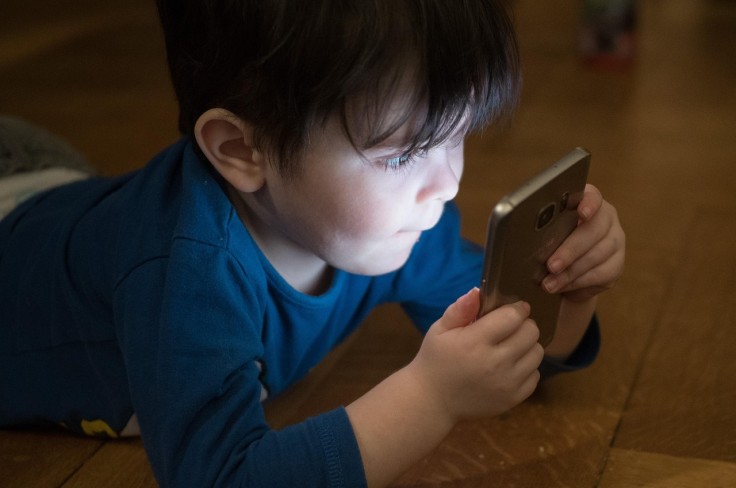
Reducing screen time often feels like an exhausting battle for parents. You might worry about the arguments and tears that happen when you try to take a device away. Research suggests there are calmer and more effective ways to handle this modern challenge.
You do not need to be strict or mean to see real results in your home. Evidence shows that working together with your kids works much better than just giving orders. These seven methods will help you find a healthy balance for your family.
1. Start With a Real Conversation
You should talk to your child when everyone is calm and happy. Ask them what they like about their games or shows to understand their perspective. This helps them feel heard rather than attacked or judged.
Motivational interviewing is a specific technique that helps children think about their own habits. You can ask gentle questions that lead them to see why a break might be good. They might even come up with their own reasons to cut back on their usage.
2. Set Clear Rules Early
Children feel much safer when they know exactly what to expect from their day. You can make a simple plan for when screens are allowed and when they are off. Stick to this schedule every single day to avoid confusion and bargaining.
Using a timer can help enforce these limits without you being the bad guy. The bell rings and the time is simply up. This removes the need for you to nag them constantly about turning it off.
3. Be a Good Role Model
Kids watch what their parents do very closely every day. If you are always on your phone, they will naturally want to be on theirs too. You must show them the healthy habits you want them to learn.
Try putting your own device away during dinner or family time to show you are present. This teaches them that real life is more important than the screen. It also helps you connect better with each other without digital distractions.
4. Make Certain Rooms Screen-Free
Experts strongly suggest keeping all electronic devices out of bedrooms and dining areas. This simple change can improve sleep hygiene and family meals immediately. The blue light from screens can hurt sleep quality significantly if viewed at night.
You can explain that these rooms are for resting or eating only. This creates a physical boundary that is easy for everyone to follow. It reduces the temptation to use devices constantly throughout the day.
5. Offer Fun Alternatives
Boredom often leads kids to reach for a tablet out of habit. You should have other fun things ready for them to do when screens are off. Art supplies, puzzles, or books are great options to keep handy in the living room.
Outdoor play is one of the best ways to replace screen time entirely. Being outside helps them move their bodies and use their imagination in new ways. It naturally makes them forget about their digital games for a while.
6. Use Controls for Support
Parental controls can act as helpful tools for your family structure. They are not just for spying or punishing your children. You can use them to set automatic time limits on specific apps or games.
Explain to your child why you are using these tools to keep them safe. This keeps the process open and honest between you. It helps them learn to manage their time better as they grow up.
7. Watch and Play Together
Screen time does not have to be a solo activity that isolates your child. You can watch a show or play a video game with them. This turns passive viewing into a bonding moment for both of you.
Ask them questions about the characters or the story while you watch. This engagement makes the experience more educational and active. It also shows you care about their interests and their world.
