

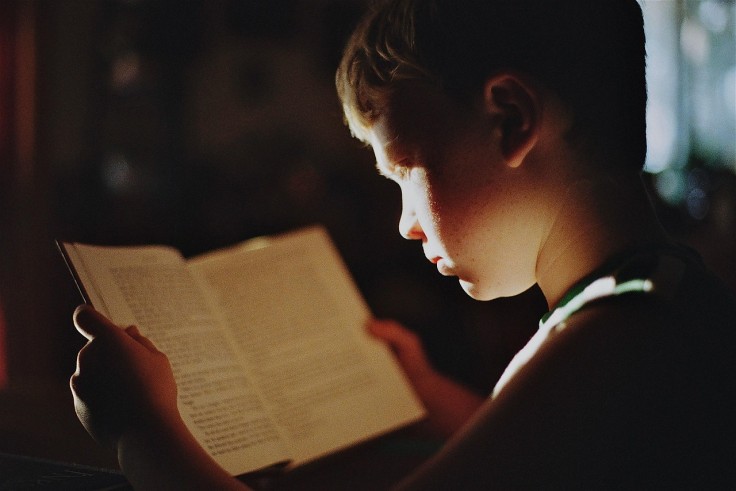
Unschooling, a form of self-directed education where children learn through their natural curiosity rather than a formal curriculum, is gaining traction among American families, with over 3 million homeschooled students in the United States as of 2026.
This educational approach differs significantly from traditional homeschooling. While homeschoolers typically follow structured lesson plans and curricula at home, unschoolers reject formal schedules and standardized subjects entirely. Children guide their own learning based on interests, and education happens organically through daily experiences, hobbies, and real-world exploration.
Parents who practice unschooling take on a facilitation role rather than acting as traditional teachers. They create enriching environments filled with resources like books, art supplies, and learning materials while observing their children's natural interests.
Learning in Life
When children show curiosity about a topic, parents help them access information and experiences to explore further, but they avoid imposing structured lessons unless the child requests them, according to Structural Learning.
The approach offers several benefits according to research. Studies show unschooled children often demonstrate stronger intrinsic motivation, better attitudes toward learning, and improved social-emotional well-being compared to traditionally schooled peers.
Research indicates that 64 percent of peer-reviewed studies on social, emotional, and psychological development show homeschool and unschooled students perform significantly better than those in conventional schools, with long-term unschoolers reporting the lowest depression and anxiety scores.
Many unschoolers report feeling well-prepared for college and careers, attributing their success to enhanced personal responsibility and love of learning developed through this method.
Learning happens throughout the day in unschooling families. Children might practice math while cooking, learn geography through travel planning, or develop writing skills by corresponding with relatives.
Activities like building projects, running small businesses, volunteering, or pursuing creative hobbies all count as educational experiences. Unschooled children also frequently interact with people across different age groups and backgrounds, which builds empathy and communication skills, hbeelearning said.
Despite its growing popularity, unschooling faces challenges. Critics worry about educational gaps and lack of oversight, as many states have minimal homeschooling regulations.
Parents also report external pressure and criticism from family members or communities who disapprove of the approach. Successfully unschooling requires significant parental involvement, time, and resources to expose children to diverse learning opportunities.
Without active parent facilitation and intentional socialization planning, unschoolers can miss important peer interactions and risk educational neglect.
College and Career Paths
College is achievable for unschooled students, though the path may look different. Research shows that 83 percent of grown unschoolers pursued higher education, with many successfully attending both community colleges and selective universities.
Many unschoolers benefit from starting at community colleges, which offer flexible admission processes and a supportive transition to formal education.
Some unschoolers eventually pursue highly selective colleges, particularly those who demonstrate unique passions and self-directed accomplishments that appeal to admissions officers. Others pursue entrepreneurship at higher rates than traditionally schooled peers due to their self-directed nature.
Unschooling is legal in all 50 states as a form of homeschooling, though requirements vary by location. Some states mandate testing at specific grade levels or require parents to maintain attendance records and cover certain subjects, while others have no reporting requirements at all, as per Sage Family.
Families interested in unschooling should research their state's homeschooling laws to ensure compliance while maintaining the flexibility this educational philosophy offers.
