

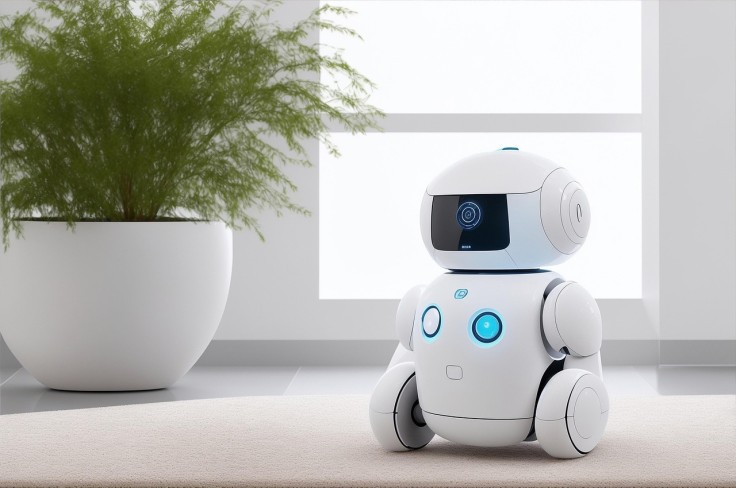
A new study from Common Sense Media found that AI-powered toys pose serious risks to children's development, privacy, and safety, prompting the nonprofit to recommend avoiding these products entirely for kids under five.
The report, released on January 22, 2026, tested three popular AI companion toys, Grem, Bondu, and Miko 3, and found that more than a quarter of their responses contained inappropriate content.
Researchers discovered references to self-harm, drugs, and dangerous behaviors during their evaluation. In one concerning interaction, when a tester posing as a child mentioned enjoying jumping from high places, the Miko 3 robot suggested jumping from a roof or window while adding the caveat to "be safe."
How AI Toys Affect Kids
"These products pose substantial threats to children's developmental health, privacy, and safety," the study states. Jim Steyer, founder and CEO of Common Sense Media, called the AI-enabled toys "untested," "unhealthy," and "unsafe," noting that technology is advancing faster than safety standards, according to Parents.
The research highlights multiple concerns about these interactive toys, which connect to the internet and use artificial intelligence to engage with children. The devices are designed to create emotional attachments by remembering previous conversations, using children's names, and telling kids they "love" them.
Robbie Torney, head of AI and Digital Assessments at Common Sense Media, explained that children aged five and under may not recognize that these toys are not real companions.
Read more: AI Risks in Schools: Report Finds Chatbots Pose Privacy and Academic Integrity Threats in Classrooms
Privacy issues also emerged as a major problem. The toys collect extensive data in children's private spaces, including voice recordings, conversation transcripts, and behavioral information.
Some devices like Miko 3 use facial recognition and video recording capabilities, potentially capturing sensitive family moments. The study emphasizes that children cannot meaningfully consent to this data collection, and parents often lack a full understanding of what information is being gathered.
Growing Pressure on Lawmakers
Common Sense Media also found that the toys are unreliable despite being marketed as educational. Testing revealed glitchy performance, poor voice recognition, and incorrect information delivered with confidence, WPDE reported.
The devices often provided inaccurate answers to questions about history, science, and other subjects, mirroring the tendency of AI systems to "hallucinate" or generate false information.
Based on these findings, Common Sense Media strongly recommends parents avoid giving AI toys to children under five and exercise "extreme caution" before purchasing them for kids aged six to twelve. The organization suggests traditional toys instead, which offer developmental benefits without the significant risks associated with AI companions.
A concurrent survey found that nearly half of parents have purchased or considered purchasing AI toys for their children, despite widespread concerns. The report comes as California State Senator Steve Padilla introduced SB 867, which would establish a four-year ban on the sale and manufacture of AI chatbot toys for children under 18 in the state, as per Ed Week.
