

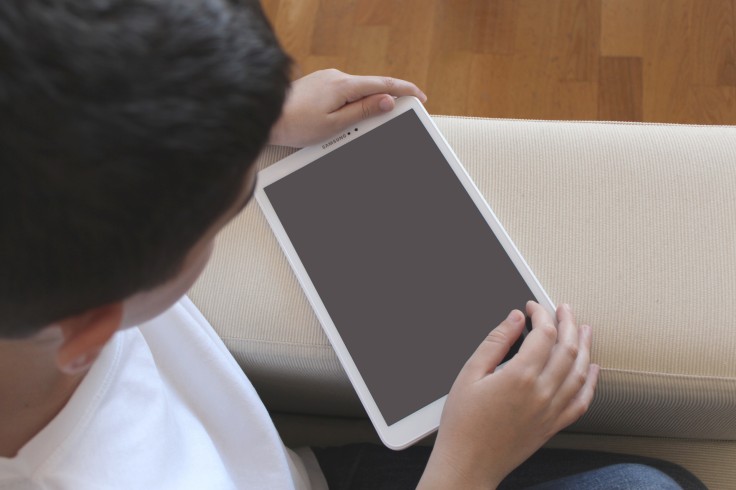
Children today grow up surrounded by screens, TVs, tablets, smartphones, and computers. While technology brings convenience and learning opportunities, experts are increasingly concerned about screen time children's health.
Research suggests that excessive screen exposure can alter sleep patterns, affect cognitive growth, and influence emotional well-being. Understanding these impacts helps parents encourage balanced digital habits for their children.
What Screen Time Means and Why It Matters
Screen time refers to the total hours spent on digital devices, whether for learning or entertainment. For children, this includes watching videos, playing games, and using educational apps. Controlled screen use can enhance learning and creativity, but prolonged exposure often leads to health concerns.
The concept of screen time children's health goes beyond the amount of time spent online, it also considers what children view, when they use screens, and how parents guide their experience. Educational content during the day can support development, but late-night device use often disrupts rest and routines.
How Screen Time Affects Sleep
Screens emit blue light that reduces melatonin, a hormone essential for sleep. When children use devices close to bedtime, their brains remain alert, delaying rest. Studies show that kids who use screens in the evening experience shorter, less restful sleep and greater daytime fatigue.
Experts recommend keeping screens out of bedrooms and turning devices off at least an hour before bedtime. Calming routines, such as reading or quiet play, help prepare the body for rest. Consistent limits and screen-free evenings are simple steps that support better screen time children's health.
How Much Screen Time Is Healthy
The World Health Organization (WHO) advises no screen time for children under two, while ages two to five should have no more than one hour daily of quality programming. For older children, the American Academy of Pediatrics (AAP) suggests setting consistent limits that prioritize sleep, physical activity, and family interaction.
Moderation is key. When screen use replaces exercise or real-world interaction, development can suffer. Adults can help by choosing meaningful content and balancing digital exposure with active play, school tasks, and face-to-face connections, an important foundation for healthy screen time children's health, according to the American Optometric Association.
Effects on Brain Development
During early childhood, the brain forms connections that shape learning and attention. Too much passive screen time can interrupt this process, offering less hands-on stimulation crucial for cognitive growth. Rapid, high-intensity digital content can also encourage shorter attention spans and constant searching for novelty.
However, when used carefully, educational media can support problem-solving and language learning. The goal is not to avoid screens entirely, but to ensure their use complements active exploration and real-world learning. Balanced digital engagement strengthens both cognitive and emotional aspects of screen time children's health.
Emotional and Behavioral Impacts
Behavioral changes are among the most visible effects of overuse. Children who spend long hours on screens sometimes show irritability, mood swings, or dependence on digital entertainment. Older ones may struggle with self-esteem, especially when comparing themselves to others online.
Social media and fast-paced games can overstimulate emotions and reduce face-to-face interaction. Creating screen-free periods, such as family meals or outdoor time, helps children regain focus, express emotions naturally, and develop better coping skills. Emotional balance is a vital part of maintaining good screen time children's health.
Long-Term Health Consequences
Excessive screen use is linked with physical and mental health problems. Spending too much time sitting increases risks of poor posture, weight gain, and eye strain. When screens disrupt sleep, children may face fatigue or lowered immunity.
Mentally, dependence on digital entertainment can limit creativity and motivation. Children who spend less time outdoors or engaging in social play may feel isolated, even when constantly connected online.
Encouraging leisure without screens, like sports or arts, helps offset these challenges and strengthens long-term screen time children's health, as per Harvard Health.
Helping Children Build Healthier Tech Habits
Parents and caregivers play a key role in guiding how children use technology. Clear boundaries, such as designated screen times or total daily limits, help children learn consistency and self-control. Adults who model balanced behavior reinforce these habits naturally.
Useful strategies include:
- Making bedrooms and family meals screen-free zones.
- Scheduling daily screen-free breaks.
- Watching or playing alongside children to discuss content.
- Offering alternatives, such as reading, crafts, or outdoor play.
Consistency matters more than strict rules. Over time, families that manage screen time mindfully notice better sleep, stronger communication, and fewer behavioral struggles, all important goals for improving screen time children's health.
Nurturing a Balanced Digital Future
Technology will remain part of children's lives, but thoughtful use determines whether it helps or harms them. Teaching kids to engage purposefully, with limits and awareness, promotes healthier growth and better well-being. Every small change, from turning off screens before bed to spending more time outdoors, contributes to balanced living.
Building daily routines that integrate movement, rest, and meaningful family connection empowers children to thrive in a digital age. When used mindfully, screens can become tools for discovery, not distractions from development.
This balance forms the core of screen time children's health, ensuring that technology supports rather than hinders the growth of future generations.
Frequently Asked Questions
1. Can screen time affect a child's eyesight?
Yes. Prolonged screen use can lead to digital eye strain, causing dryness, blurred vision, and headaches. Encouraging frequent breaks using the 20-20-20 rule, looking 20 feet away for 20 seconds every 20 minutes, can help prevent discomfort.
2. Does background TV count as screen time for children?
It does. Even if children aren't actively watching, background television can distract them from play and limit language development, especially in toddlers.
3. Are e-books better than traditional books for young readers?
E-books can support reading motivation, but research shows printed books promote deeper concentration and comprehension, especially for early learners. Balancing both formats works best.
4. How does screen time influence family relationships?
Excessive device use can reduce face-to-face interaction and quality family bonding. Setting tech-free moments, like shared meals or outings, helps strengthen communication and emotional connection.
Originally published on Medical Daily
