

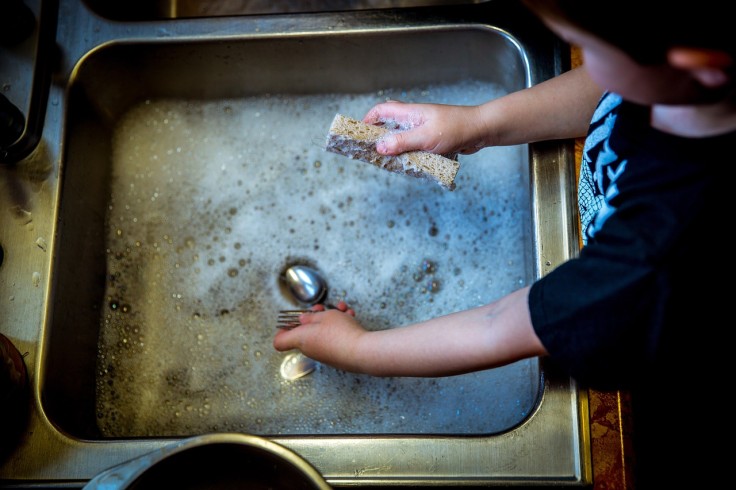
Teaching kids responsibility at home starts with small, clear tasks and routines that match their age, then grows into giving them choices, consequences, and chances to learn from mistakes.
Why Responsibility Starts at Home
Research suggests that regular household chores and responsibilities help children build life skills like time management, problem-solving, independence, and self-confidence. Studies have found that when young children do chores regularly, they later show better prosocial behavior, academic skills, and life satisfaction.
Child development experts also note that responsibility does not develop on its own; it must be taught, coached, and practiced over time. Home is the safest place for children to practice, make mistakes, and try again with guidance from parents or caregivers.
Start Early With Simple Chores
Experts recommend starting with responsibility as early as preschool, using small, manageable tasks. For very young children, this might mean putting toys back in a bin, placing dirty clothes in a hamper, or helping to wipe a low table, according to AACAP.
As children grow, you can slowly add more age-appropriate tasks, such as setting the table, feeding pets, or helping fold laundry. The key is to introduce one new responsibility at a time so children do not feel overwhelmed.
Set Clear Expectations and Routines
Children learn responsibility better when they know exactly what is expected and when it should be done. You can spell out tasks in simple language, such as "Please put your toys in the box before dinner" or "Take out the trash after breakfast."
Many experts suggest using chore charts, lists, or star stickers posted in a visible place so kids can see their tasks and feel proud when they are done. Doing chores at the same time each day or week creates structure and helps children remember their responsibilities more easily.
Work Together and Teach Skills
Young children often need hands-on help at first, so doing the chore together can teach them how to do it properly. For example, you might fold one shirt and let your child fold the next, or pick up toys together while showing them where each item belongs, Raising Children said.
Parents can also create a home environment that supports responsible behavior by organizing spaces and keeping needed tools within reach, such as low shelves, labeled bins, and easy-to-find cleaning supplies. Over time, you can gradually step back so children take more of the lead and feel ownership of their tasks.
Use Praise and Natural Consequences
Positive, specific feedback helps children connect responsibility with success and pride. Instead of a general "Good job," you might say, "I like how carefully you fed the dog without spilling" or "You remembered to make your bed all by yourself."
When children do not follow through, experts recommend consistent, reasonable consequences rather than harsh criticism or lectures. Natural or logical consequences work well, such as losing access to screens if homework is not finished or needing to clean up a mess before playing.
Make Responsibility Part of Family Life
Many child development organizations suggest holding regular family meetings to talk about chores, routines, and what is or is not working. This gives children a voice to share ideas, trade tasks, or ask for help when something feels too hard.
Responsibility also includes more than chores: it covers homework, caring for personal items, keeping commitments, and treating others with respect. By modeling responsible behavior, staying consistent, and allowing children to learn from mistakes, parents can help kids grow into capable, dependable adults, as per Empowering Parents.
