

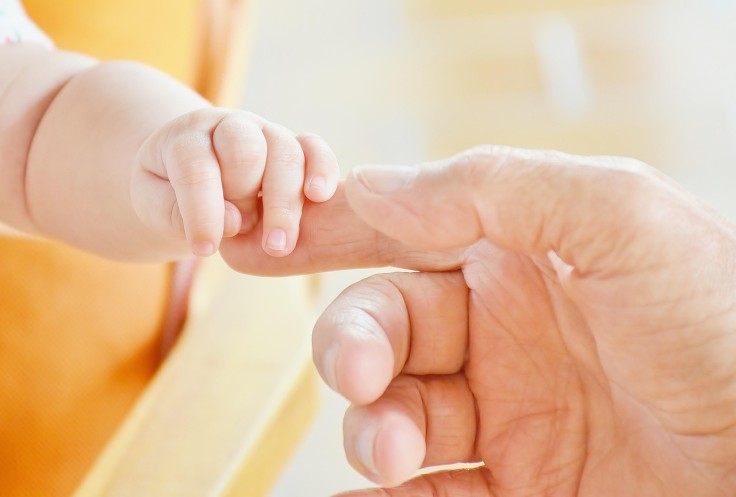
For new parents preparing for their baby's arrival, the amount of gear marketed as "essential" can feel confusing and overwhelming.
Between online shopping lists, parenting blogs, and well-meaning advice from friends and relatives, it's easy to spend hundreds on items your baby may only use once, or never need at all.
The truth is that newborns require far fewer products than you might think. By understanding what's truly necessary and what's simply nice to have, you can save money, reduce clutter, and focus more on bonding with your baby during the first year.
What You Really Need for the First Year
1. Safe Sleep Essentials
A safe sleeping environment is one of the most important items on your checklist, according to Baby Sleep. According to the American Academy of Pediatrics (AAP), babies should sleep alone, on their backs, and on a firm, flat surface, either in a crib, bassinet, or play yard that meets current safety standards. The only bedding you actually need is a fitted crib sheet.
Avoid pillows, blankets, stuffed animals, and crib bumpers, as these can increase the risk of suffocation or sudden infant death syndrome (SIDS). Instead, choose two or three wearable sleep sacks to keep your baby warm and secure during naps and nighttime sleep.
2. Feeding Supplies
What you need for feeding depends on whether you're breastfeeding or formula-feeding. For breastfeeding, invest in a comfortable nursing bra, reusable or disposable breast pads, and a reliable breast pump if you plan to express milk.
Having milk storage bags and nipple cream can also be useful. For formula-feeding, about six to eight bottles, a few different nipple flow sizes, and a bottle cleaning brush should be enough for daily use.
A sterilizer is optional; most parents find that washing bottles with hot, soapy water works just as well. Also, stock up on several burp cloths and bibs to help with inevitable spills and spit-ups.
3. Diapering Basics
Diaper changes will take up much of your daily routine. You'll go through around 2,500–3,000 diapers in the first year, so buy both newborn and size 1 packs to start. Essential supplies include diapers, wipes, diaper rash cream, and a changing pad.
A diaper pail can reduce odor, but it is not necessary; any trash bin with a secure liner will do. A waterproof changing mat is helpful if you need to change diapers on the go, Sleepy Baby said.
4. Clothing Essentials
When it comes to baby clothes, less really is more. Babies grow quickly, so focus on comfort and practicality rather than style. A basic wardrobe should include about 6–8 onesies, 4–6 sleepers or footed pajamas, a few pairs of socks, and a couple of hats.
Choose cotton fabrics that are soft and breathable. Avoid buying too many newborn-sized clothes since many babies outgrow them within weeks.
5. Bath and Hygiene Supplies
For bath time, a small baby tub or sink insert can make washing your baby easier and safer. You'll also need mild baby shampoo and body wash, a soft towel, washcloths, a soft-bristle brush, and baby nail clippers.
Skip adult soaps and lotions; they can irritate delicate newborn skin. A gentle, fragrance-free baby moisturizer can help if your baby's skin becomes dry.
6. Health and Safety Must-Haves
A digital thermometer, nasal aspirator, and baby-safe nail scissors are key items to keep on hand. The most important safety item is a properly installed, rear-facing car seat that meets national safety standards.
You'll need it from your baby's first car ride home from the hospital. If you plan to travel often, a sturdy stroller or baby carrier adds convenience as well, as per First Things First.
What You Can Skip
Many new parents overspend on items that end up collecting dust. You can skip wipe warmers, bottle warmers, and fancy baby shoes since babies don't walk during the first year.
Crib bumpers, sleep positioners, and loose blankets should also be avoided because they pose safety risks. Expensive gadgets, like smart bassinets or high-tech baby monitors, are optional luxuries, not necessities.
At the end of the day, what your newborn really needs is a safe space to sleep, proper nourishment, and loving care. The rest may make life more convenient, but it's not required for your baby's healthy first year.
